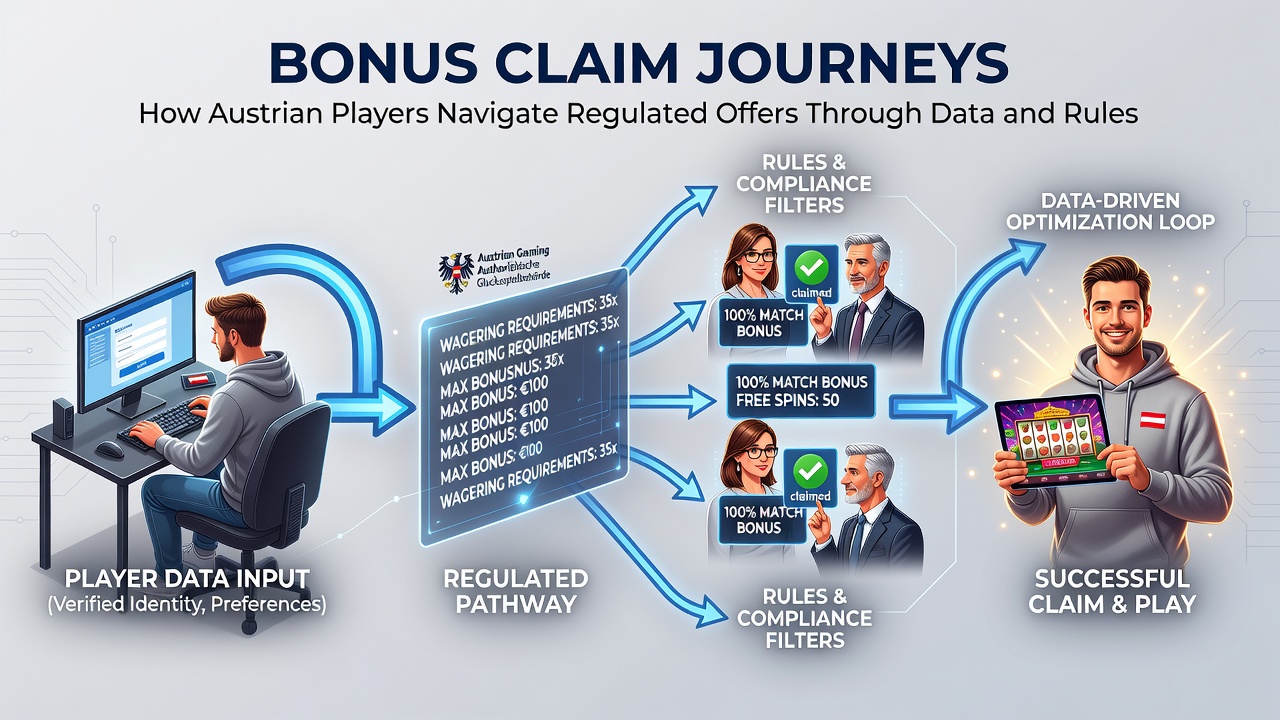
Bonus Claim Journeys: How Austrian Players Navigate Regulated Offers Through Data and Rules
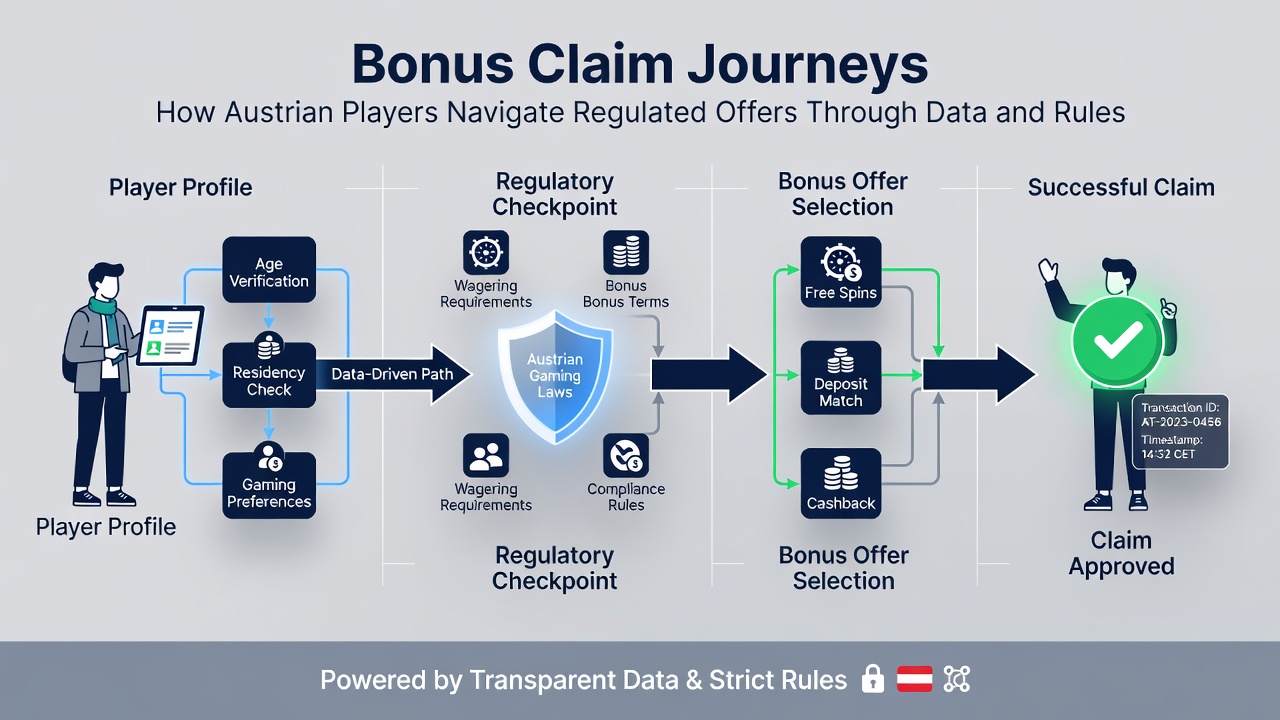
Players in Austria approach bonus claims by combining personal data profiles with strict regulatory checklists, and this process unfolds through layered verification steps that track eligibility before any funds activate. Data from registration forms, transaction histories, and play patterns feeds directly into automated systems that flag compliance issues in real time, while rules from licensing authorities dictate everything from minimum deposit thresholds to maximum payout caps. Observers note that these journeys often stretch across multiple days because each stage requires separate confirmations, and delays occur when mismatched information triggers manual reviews.
Data Inputs That Determine Offer Access
Registration details such as age verification, address confirmation, and payment method validation form the foundation, yet additional layers like IP tracking and device fingerprinting refine the eligibility score further. Research indicates that operators cross-reference this information against central databases to prevent multiple accounts, and players who update their profiles regularly encounter fewer interruptions during the claim sequence. Studies found that demographic variables including session duration and game preferences influence which bonuses surface first, while transaction velocity data helps systems predict whether a user will meet wagering targets within set windows.
One group of analysts who examined platform logs discovered that players who link verified bank accounts complete the initial claim faster than those using alternative methods, and this pattern holds because direct transfers reduce the steps needed for source-of-funds checks. Figures reveal that bonus activation rates climb when users provide complete tax identification numbers upfront, since Austrian tax rules integrate with gambling oversight to monitor large winnings automatically.
Regulatory Checkpoints Along the Path
Every offer carries built-in constraints that players must satisfy before funds convert to withdrawable cash, and these include wagering multipliers, game contribution percentages, and time-bound expiration dates. Austrian licensing frameworks require operators to display these terms prominently, and systems now embed pop-up confirmations that force acknowledgment before the bonus loads into an account. Data shows that players who review these parameters through in-app tools avoid common pitfalls such as selecting ineligible slots that contribute zero percent toward completion goals.
Changes scheduled for October 2026 will introduce enhanced reporting intervals for bonus-related activity, requiring platforms to log each claim attempt and outcome in standardized formats that regulators can audit quarterly. Those who have monitored earlier pilots note smoother navigation once players receive pre-filled summaries of their progress, yet the new rules also mandate clearer separation between bonus and deposit balances to prevent accidental overspending.
Practical Navigation Tactics Observed in the Field
Players frequently set calendar reminders aligned with bonus expiration dates, and they monitor progress dashboards that update contribution totals after every completed round. When rules specify maximum bet limits during active bonus periods, users adjust their stake sizes in advance rather than risking disqualification mid-session. Evidence suggests that those who segment their play across multiple short sessions rather than long marathons maintain steadier progress toward release conditions because the data logs capture more consistent patterns.
Take one documented workflow where a player combined a deposit match with free spins: the system first validated the deposit source, then allocated spins only after the main balance cleared a preliminary hold period. Subsequent spins contributed at reduced rates, and the player tracked remaining requirements through a dedicated panel that highlighted both completed and pending milestones. This approach kept the entire journey within regulatory boundaries without triggering additional verification flags.
Integration of External Data Sources
Platforms increasingly pull supplementary information from third-party services that verify identity documents against public records, and this step occurs before any bonus balance appears. Austrian Ministry of Finance records feed into these checks to confirm residency status, while cross-border data agreements help detect players operating outside permitted jurisdictions. Another layer comes from academic analyses such as those compiled by Canadian research groups that model player behavior under varying multiplier structures, providing operators with benchmarks for setting realistic completion thresholds that still protect users.
These combined inputs create a dynamic profile that updates after each interaction, and the resulting score determines whether future offers appear or remain hidden. Players who maintain clean records across these external checks experience fewer blocks, whereas fragmented histories often lead to extended review queues that pause the claim process entirely.
Conclusion
The path from offer discovery to cash release relies on synchronized data flows and rule adherence that Austrian players manage through repeated verification loops and progress monitoring. As October 2026 approaches, updated reporting standards will add further transparency to each step, and operators continue refining their interfaces to display real-time compliance metrics. Those who align their actions with both platform algorithms and regulatory requirements complete these journeys with greater consistency, while the underlying data infrastructure ensures every claim stays within established legal boundaries.